


Root canal treatment has a reputation as one of the scariest words in dentistry. But that reputation is largely undeserved. Here’s an honest look at what actually happens, what you’ll feel during and after, and why the procedure itself is nothing like its reputation suggests.
What Is a Root Canal, and Why Would You Need One?
You need root canal treatment, or endodontic therapy, when the pulp inside a tooth becomes infected. This usually happens because of deep decay or an injury to the tooth. Left untreated, an infected pulp can’t heal on its own, and it tends to become increasingly painful. Your dentist carries out the treatment to clear the infection and save the tooth, rather than losing it altogether.

Signs You Might Need a Root Canal
- A persistent toothache that doesn’t settle and may throb or worsen when you bite.
- Lingering sensitivity to hot or cold, especially if the ache continues well after the trigger is gone.
- Tenderness when chewing or biting on a particular tooth.
- Swelling or a small bump on the gum near the affected tooth.
- A tooth that’s darkened in colour, which can mean the nerve inside has taken damage.
So, Does It Actually Hurt?
No, not in the way most people expect. Your dentist fully numbs the area before treatment begins, so the procedure itself feels broadly similar to having a filling. You might notice some pressure or vibration, but not pain. In fact, the toothache that leads you to the appointment is almost always far more uncomfortable than the treatment itself. Root canal treatment resolves that pain rather than causing it.
What Does the Procedure Actually Involve?
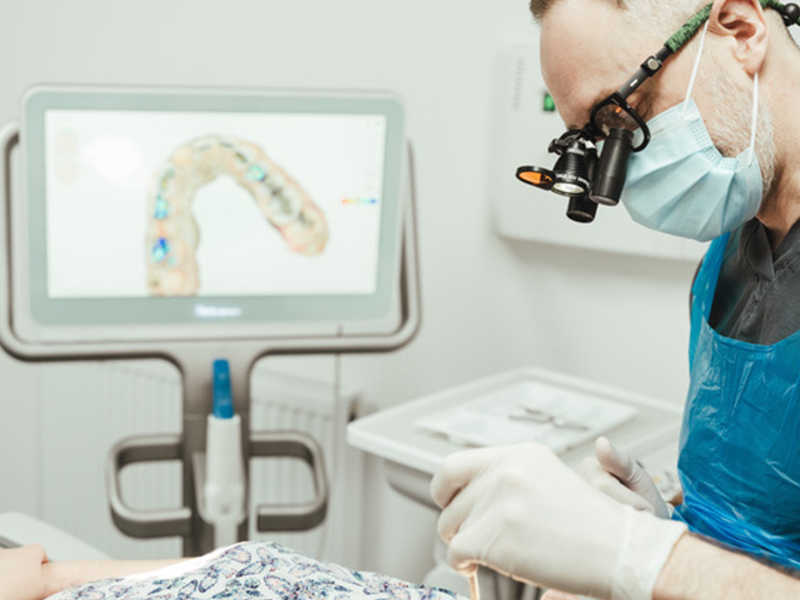
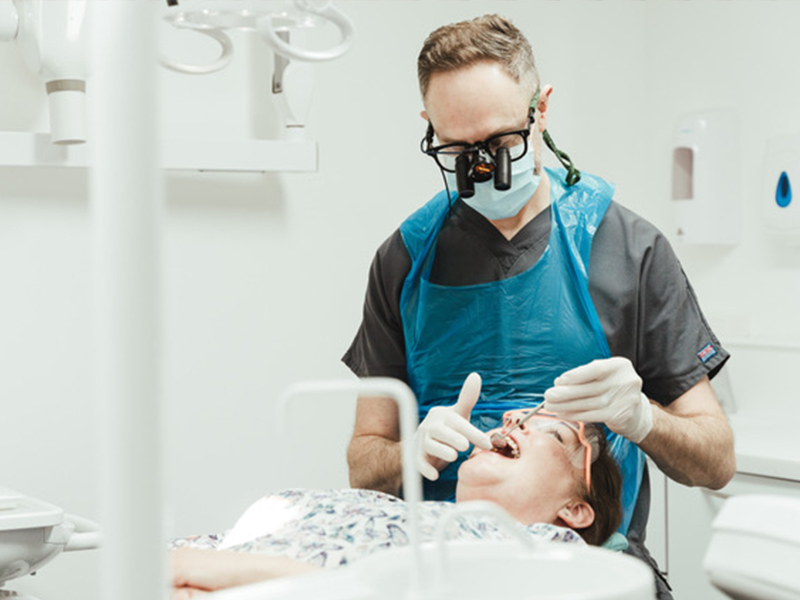
Treatment usually takes place over one or two appointments. Your dentist numbs the area, removes the infected pulp, then cleans and carefully shapes the canals inside the tooth before sealing them. Afterwards, your dentist will often place a crown or filling to protect and strengthen what’s left of the natural tooth.
What Does Recovery Feel Like Afterwards?
Some mild soreness or tenderness around the tooth is normal for a few days afterwards, and it usually settles with over-the-counter pain relief. Avoid chewing on the treated tooth until your dentist has properly fitted any crown or filling. Keep up your normal brushing and flossing so the tooth stays protected while it settles.
Is a Root Canal Worse Than Having the Tooth Removed?
For most patients, no. Root canal treatment saves your natural tooth. This generally means better long-term function and appearance than an extraction, and it avoids the need for a bridge, denture or implant to fill the gap afterwards. Your dentist will only recommend extraction over root canal treatment if the tooth genuinely can’t be saved.

What Happens if You Leave It Untreated?
An infection inside the tooth won’t resolve by itself. Left alone, it typically gets more painful. It can develop into a dental abscess and may eventually spread beyond the tooth. At that point, saving it becomes much harder. Seeing your dentist promptly gives you the best chance of keeping the tooth.
Root Canal Treatment at Ibbott & Co in Wadhurst
Root canal treatment is Dr Janet Ibbott’s particular area of special interest. She continues to pursue postgraduate study in this field, so you’re in experienced hands if you need treatment. Cost depends on which tooth needs treatment and how complex your case is. Check our Fees & Finance page for guide pricing, or ask our team for a personalised quote at your appointment.